
Live Longer:
The Absolute Healthiest
Diet in the World
What is the healthiest diet in the world?
The Mediterranean diet is widely regarded as the healthiest diet in the world, based on extensive scientific evidence and expert rankings as of 2025-2026. It has topped U.S. News & World Report’s “Best Diets Overall” list for eight consecutive years, including 2025, earning praise for its effectiveness in promoting heart health, diabetes prevention, gut health, mental well-being, and overall longevity.
What is Longevity?
Longevity refers to how long you will live.
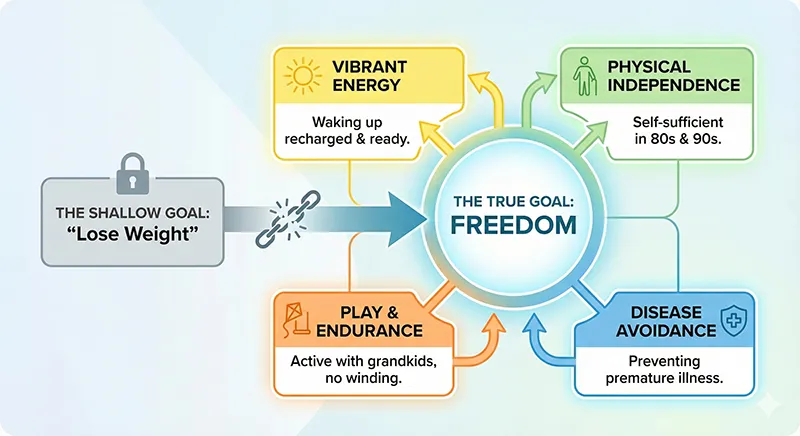
Here is the truth nobody wants to admit: You aren’t really trying to lose weight. Not deep down. What you actually want is to add years to your life. Even if you claim you’re not “into longevity,” sooner or later you will be. It’s best to start now.
Ready to discover your Longevity Score?
Take our 2-minute quiz to see how the Mediterranean Plan can transform your life.
Join 50,000+ others who have made the switch today.
The Brutal Truth
You don’t just want to “lose weight.” You want Freedom.
- Waking up with vibrant energy.
- Staying independent as you age.
- Avoiding sickness and disease.
There is only one way to have these and lose weight.
It’s called The Mediterranean Diet.
Heart Health
Reduced risk of disease by up to 30%
Brain Power
Stay sharp and focused at any age
Zero Deprivation
Eat bread, cheese, and wine without guilt

Nourish, Don't Punish
Industrial food is designed to keep you addicted. Real food — The Mediterranean Way — is designed to help you thrive.
The Mediterranean Diet is not a “fad.” It’s the way humans have eaten for thousands of years. It creates a healthy gut microbiome which is essential to burning fat.
The Truth About the World’s Healthiest Diet
You cannot lose weight without a healthy gut.
It is impossible.
Your gut (stomach) must be healthy for autophagy (fat burning) to happen.
Remember autophagy is your body’s recycling system where cells clean out their broken or damaged pieces and turn them into energy or new parts they actually need.
Your gut must be alcohol free and healthy to perform autophagy.
And you cannot have a healthy gut eating processed foods.
So, pursuing longevity through your diet not only helps you live longer, feel better, and have more energy, it is the only way to actually lose weight.
Your longevity journey starts with one simple score.
Take our 2-minute quiz to see how the Mediterranean Plan can transform your life.
Be part of the 50,000+ who didn’t wait to feel better.
Why is the Mediterranean diet considered so healthy?
The Mediterranean diet is considered exceptionally healthy because landmark studies, including the PREDIMED trial and a 2024 JAMA Network Open analysis of over 25,000 women, show it reduces premature death, heart disease, cancer, and dementia risk by up to 30% through multiple protective mechanisms. Its core components, extra virgin olive oil rich in polyphenols, omega 3 fatty acids from fish, and abundant fiber from vegetables, legumes, and whole grains, work synergistically to lower inflammation, improve insulin sensitivity, and transform gut bacteria into producing beneficial short chain fatty acids like butyrate that strengthen metabolic health. Unlike restrictive diets, this sustainable eating pattern emphasizes whole food combinations rather than isolated nutrients, earning endorsements from the American Heart Association and Harvard School of Public Health for its evidence-based ability to prevent chronic disease while remaining enjoyable and adaptable for long term adherence.
Full Text: When researchers study what makes certain populations live longer, healthier lives, they consistently return to one dietary pattern. The Mediterranean diet isn’t just another eating trend. It represents thousands of years of culinary wisdom that modern research has repeatedly validated as one of the most effective approaches to preventing disease and extending lifespan.
The Foundation of Long-Term Health
What separates this eating pattern from countless other dietary approaches is its remarkable consistency in clinical outcomes. A groundbreaking 2024 study published in JAMA Network Open*1* tracked over 25,000 middle-aged women for nearly 25 years, revealing that those who closely followed Mediterranean eating principles experienced significantly reduced risks of premature death from all causes. The researchers found that the protective effects extended across cardiovascular disease, cancer, and overall mortality, with body weight management, metabolic health markers, inflammation reduction, and blood sugar control showing the strongest associations with these benefits.
The evidence has become so compelling that organizations from the Mayo Clinic to the American Heart Association and Harvard Health consistently highlight this dietary approach above nearly all others. Recent meta-analysis research published in late 2024 demonstrates that adherence to Mediterranean eating patterns correlates with an 11 to 30 percent reduction in age-related cognitive disorders, including general cognitive impairment, dementia, and Alzheimer’s disease. These percentages represent substantial protection against conditions that devastate millions of families worldwide.
Is the Mediterranean Diet the Healthiest for Longevity?
While the Alternative Healthy Eating Index (AHEI) achieved an 86% greater likelihood of healthy aging in a landmark 2025 Nature Medicine study tracking 105,000 adults over 30 years, the Mediterranean diet delivered remarkably close results at 70 to 80% greater odds, with a 23% reduction in all-cause mortality. The critical difference lies in long-term adherence. Research published in the Harvard Gazette reveals that people genuinely enjoy Mediterranean eating because vegetables swim in flavorful olive oil, herbs, and garlic, creating sustainable pleasure rather than restriction. Studies in the Journal of Nutrition confirm that participants maintain Mediterranean patterns for years, whereas the AHEI requires calculating points from 0 to 110 across 11 food components, which Harvard nutritionist Kathy McManus calls “probably not practical” for everyday use. Both diets work through similar mechanisms, including production of beneficial short-chain fatty acids like butyrate and propionate from fiber-rich foods that reduce inflammation and support gut health, as detailed in Nature Reviews Immunology. For maximizing healthy longevity, choosing an evidence-based pattern you can maintain with genuine enjoyment for decades delivers far greater benefit than brief adherence to a theoretically optimal but difficult scoring system, making the Mediterranean diet the practical winner for sustainable wellness.
Exploring the Science of Long Life
Full text: When people ask which diet delivers the longest, healthiest life, they’re hoping for a simple answer. The Mediterranean diet often claims the spotlight, celebrated by health organizations worldwide and backed by decades of compelling research. But recent scientific investigations reveal a more nuanced and fascinating truth: several dietary patterns perform remarkably similarly when it comes to extending lifespan and promoting vitality into old age.
The Question of Healthy Aging Versus Simply Living Longer
Modern longevity research has evolved beyond merely counting years. Scientists now focus on what they call “healthy aging,” a concept that encompasses reaching older ages without major chronic diseases while maintaining robust cognitive function, physical capability, and mental wellbeing. This shift in perspective matters profoundly because living to 90 with diabetes, heart disease, and cognitive decline represents a fundamentally different outcome than reaching that age with energy, independence, and mental clarity.
How the Diet Actually Works in Your Body
Understanding why this eating pattern succeeds where so many others fail requires looking beyond simple calorie counting or macronutrient ratios. The Mediterranean approach fundamentally changes how your body processes food and manages inflammation. Research into metabolic syndrome, published in Nutrients in January 2025, confirms that this dietary pattern effectively addresses multiple risk factors simultaneously: abdominal obesity, insulin resistance, blood pressure elevation, problematic lipid profiles, and elevated fasting glucose levels.
The mechanism centers on fat quality rather than fat quantity. Extra virgin olive oil, the cornerstone fat source, provides abundant monounsaturated fatty acids and polyphenols that actively reduce inflammation at the cellular level. A randomized crossover study demonstrated that consuming just 25 milliliters daily of high-polyphenol olive oil for eight weeks measurably reduced fasting blood glucose and HbA1c levels in individuals struggling with type 2 diabetes. The Spanish PIZARRA study reinforced these findings, showing that people using olive oil as their primary fat exhibited significantly lower insulin resistance compared to those relying on sunflower or mixed oils.
Fish and seafood, consumed regularly rather than occasionally, deliver omega-3 fatty acids that specifically target cardiovascular and neurological health. These compounds don’t simply prevent problems; they actively improve vascular function and support cognitive performance as we age. The pattern naturally reduces saturated fat consumption without requiring strict restrictions or constant vigilance, making it psychologically sustainable over decades rather than weeks.
The Hidden Power of Gut Microbiome Transformation
Perhaps the most fascinating discovery in recent Mediterranean diet research involves its profound effects on the trillions of microorganisms inhabiting our digestive systems. Published research in BMC Medical Genomics in 2024 reveals that adherence to this eating pattern produces specific, beneficial changes in gut bacterial composition that ripple outward to influence whole**-body health.
The diet encourages proliferation of bacterial strains like Bifidobacterium, Faecalibacterium prausnitzii, and Akkermansia muciniphila. These aren’t random microbial residents; they’re powerhouse producers of short-chain fatty acids, particularly butyrate, acetate, and propionate. These molecules strengthen the gut barrier, actively suppress inflammatory processes throughout the body, and improve how cells respond to insulin. Research published in Frontiers in Nutrition demonstrates that these bacteria can reduce metabolic endotoxemia, a condition where bacterial toxins leak into circulation and trigger widespread inflammation.
The polyphenol-rich foods characteristic of Mediterranean eating, including colorful vegetables, berries, herbs, spices, and extra virgin olive oil, serve as substrates for beneficial bacterial metabolism. When gut microbes process these compounds, they generate bioactive metabolites that influence everything from blood pressure regulation to brain function. A 2024 systematic review confirmed that this microbial modulation represents one of the primary pathways through which the diet exerts its protective effects against obesity, cardiovascular disease, and neurodegenerative conditions.
Why Fiber Matters More Than You Think
While most dietary discussions treat fiber as an afterthought, Mediterranean eating naturally delivers exceptional amounts through its emphasis on legumes, vegetables, whole grains, and fruits. Research published in the International Journal of Molecular Sciences in 2024 highlights that high fiber consumption fundamentally reshapes gut microbiota composition, reducing inflammatory Firmicutes bacteria while increasing beneficial Bacteroidetes species.
This shift produces measurably higher levels of those critical short-chain fatty acids. Animal studies and human trials both demonstrate that these microbial metabolites suppress development of inflammatory, autoimmune, and allergic conditions. The fiber content also slows digestion of carbohydrates, preventing the blood sugar spikes and crashes that drive hunger, energy fluctuations, and eventually insulin resistance. Meals built around protein, fiber, and healthy fats digest gradually, maintaining stable glucose levels and sustained energy throughout the day.
Beyond Individual Nutrients: The Synergistic Effect
One critical insight from decades of research is that isolating individual components of the Mediterranean diet rarely produces the same powerful effects as following the complete pattern. The 2024 Advances in Nutrition systematic review found that 91 percent of studies examining environmental and health sustainability concluded that Mediterranean eating qualifies as truly sustainable, balancing human health benefits with lower environmental footprints compared to Western dietary patterns.
The diet incorporates compounds that work together rather than in isolation. Polyphenols from olive oil enhance absorption of nutrients from vegetables. The combination of plant-based proteins from legumes with whole grains creates complete amino acid profiles. The moderate inclusion of fermented dairy products like yogurt and cheese provides probiotics that complement the prebiotic fiber from plants. Even the herbs and spices used abundantly in Mediterranean cooking deliver concentrated antioxidant and anti-inflammatory compounds that amplify the effects of other foods.
The Lifestyle Component Often Overlooked
Traditional Mediterranean eating patterns emerged from a broader cultural context that included more than just food choices. Modern research increasingly recognizes these lifestyle factors as essential to the diet’s full benefits. The lifestyle included regular physical activity through daily walking and manual work, meals shared with family and community, slower eating paces, seasonal food choices, and strong social connections across generations.
Research published in Nutrients in February 2025 examining quality of life outcomes found that Mediterranean diet adherence showed the strongest associations with physical domains of wellbeing, suggesting diet plays a relevant role not just in disease prevention but in how people feel and function daily. The pattern’s flexibility and lack of rigid restrictions make long**-term adherence psychologically achievable in ways that highly restrictive diets simply cannot.
Practical Implementation That Actually Works
The most significant advantage of Mediterranean eating over countless other dietary approaches is its emphasis on adding beneficial foods rather than obsessing over restrictions. Studies confirm that several high-impact changes deliver substantial benefits:
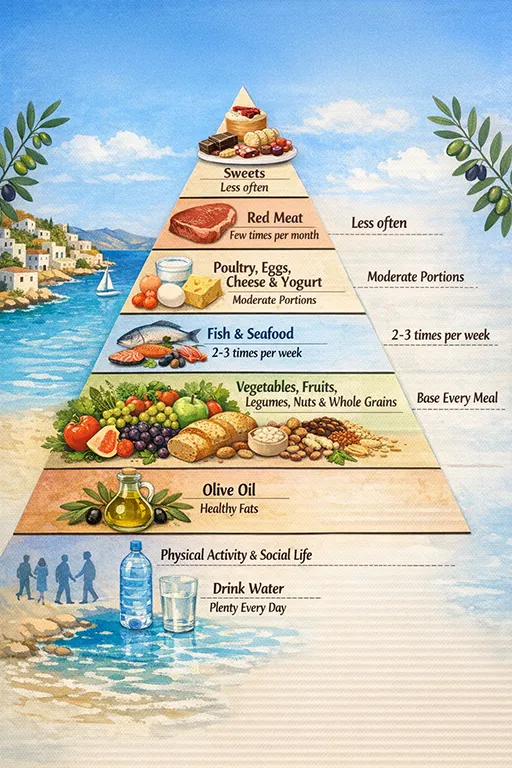
Switching your primary cooking fat to extra virgin olive oil fundamentally alters your fatty acid profile. Including legumes or lentils at least four times weekly dramatically increases fiber intake and beneficial gut bacteria. Structuring meals so vegetables occupy half the plate naturally crowds out less nutritious options. Choosing whole grains consistently rather than reflexively reaching for refined versions maintains more stable blood sugar. Incorporating fish twice weekly supplies those critical omega-3 fatty acids. Treating sweets and highly processed snacks as occasional indulgences rather than daily staples reduces empty calorie consumption without creating feelings of deprivation.
The Global Perspective and Future Directions
Interestingly, research in 2024 examining adherence patterns within Mediterranean countries themselves reveals a concerning trend. Younger populations in Greece, Italy, and Spain are increasingly abandoning traditional eating patterns in favor of Western dietary models high in processed foods, refined carbohydrates, and poor-quality fats. This shift correlates with rising rates of overweight, obesity, and metabolic disorders even in regions where the beneficial traditional diet originated.
This phenomenon underscores an important reality: the Mediterranean diet isn’t automatically conferred by geography or genetics. It requires conscious choices and cultural transmission. The good news is that people anywhere in the world can adopt these principles using locally available foods. The pattern is adaptable to different culinary traditions while maintaining its core characteristics: plant food abundance, high-quality fats, moderate animal products, and minimal processing.
Recent research also explores potential enhancements to the traditional pattern. Studies examining vitamin D status alongside Mediterranean eating demonstrate synergistic effects, with both factors working together to optimize gut microbiota composition and metabolic pathways. Similarly, combining the dietary pattern with regular physical activity amplifies benefits beyond what either intervention achieves alone.
The Evidence in Context
The scientific consensus around Mediterranean eating represents an unusual degree of agreement in nutrition research, a field often characterized by conflicting studies and contradictory recommendations. The PREDIMED trial, multiple large cohort studies, recent meta-analyses, and mechanistic research examining gut microbiome effects all point in the same direction. This dietary pattern consistently delivers measurable improvements in cardiovascular risk markers, cognitive function, metabolic health, inflammatory status, and overall mortality risk.
What makes this particularly compelling is the breadth of outcomes. We’re not discussing minor improvements in a single biomarker but rather comprehensive benefits spanning multiple organ systems and disease categories. The anti-inflammatory and antioxidant properties of the diet, combined with its effects on gut barrier function, microbial metabolism, insulin sensitivity, and lipid profiles, create a cascade of positive effects throughout the body.
Why This Matters for You
The practical implications of this research are profound. Rather than viewing healthy eating as a temporary intervention or punishment for poor past choices, the Mediterranean approach offers a genuinely enjoyable, socially compatible, and sustainable way to dramatically reduce disease risk while improving daily function and quality of life.
The dietary pattern doesn’t require expensive supplements, specialized products, or extreme restrictions. It works with foods that humans have consumed for thousands of years, prepared in ways that are culturally meaningful and genuinely pleasurable. The evidence suggests that adopting even moderate adherence to these principles delivers measurable benefits, with greater adherence producing proportionally larger effects.
For healthcare providers, public health officials, and individuals concerned about long-term health, the Mediterranean diet represents one of the most thoroughly validated, broadly effective, and realistically sustainable interventions available. It addresses the root causes of our most prevalent chronic diseases through mechanisms we increasingly understand at the molecular and microbial levels, all while respecting the psychological and social dimensions of eating that make dietary changes sustainable over a lifetime.
References:
- National Heart, Lung, and Blood Institute. “Mediterranean diet linked to reduced associated risk of premature death.” JAMA Network Open, June 2024.
- Ghosh TS, Rampelli S, et al. “Mediterranean diet intervention alters the gut microbiome in older people reducing frailty and improving health status: the NU-AGE 1-year dietary intervention across five European countries.” Gut, 2020.
- Picone P, Girgenti A, et al. “The role of the Mediterranean diet in reducing the risk of cognitive impairment, dementia, and Alzheimer’s disease: a meta-analysis.” PubMed, December 2024.
- Luisi MLE, Lucarini L, et al. “Effect of Mediterranean Diet Enriched in High Quality Extra Virgin Olive Oil on Oxidative Stress, Inflammation and Gut Microbiota.” Frontiers in Pharmacology, 2019.
- Pagliai G, Russo E, et al. “Influence of a 3-month low-calorie Mediterranean diet compared to the vegetarian diet on human gut microbiota and SCFA: the CARDIVEG Study.” European Journal of Nutrition, 2020.
- Lorca-Camara V, et al. “Environmental and Health Sustainability of the Mediterranean Diet.” Advances in Nutrition, 2024.
- “Effects of the Mediterranean Diet on the Components of Metabolic Syndrome Concerning the Cardiometabolic Risk.” Nutrients, January 2025.
- “Mediterranean Diet and Quality of Life in Adults: A Systematic Review.” Nutrients, February 2025.
- Turpin W, Dong M, et al. “Mediterranean-like dietary pattern associations with gut microbiome composition and subclinical gastrointestinal inflammation.” Gastroenterology, 2022.
- “The Mediterranean Diet, Its Microbiome Connections, and Cardiovascular Health: A Narrative Review.” International Journal of Molecular Sciences, April 2024.
Ready to discover your Longevity Score?
Take our 2-minute quiz to see how the Mediterranean Diet can transform your life.
Join 50,000+ others who have made the switch today.
The Alternative Healthy Eating Index Takes the Lead
The study revealed that the Alternative Healthy Eating Index (AHEI), a scoring system developed by Harvard nutritionists to prevent chronic diseases, showed the strongest association with healthy aging. Participants who scored in the highest tier on the AHEI demonstrated 86 percent greater odds of reaching age 70 in excellent health compared to those in the lowest tier. At age 75, the advantage more than doubled to 124 percent higher odds.
The AHEI emphasizes abundant vegetables, fruits, whole grains, nuts, legumes, and healthy fats from sources like olive oil. It includes modest amounts of fish, poultry, and low fat dairy while sharply limiting red and processed meats, sugar sweetened beverages, sodium, trans fats, and refined grains. This pattern reflects contemporary nutritional science’s understanding of which food choices most effectively prevent cardiovascular disease, diabetes, cancer, and cognitive decline.
Research published in the Journal of Nutrition involving over 112,000 participants found that higher AHEI scores correlated with a 19 percent lower risk of chronic disease overall, including a 31 percent reduction in coronary heart disease risk and a 33 percent decrease in diabetes risk. Another study in the American Journal of Clinical Nutrition demonstrated that among more than 7,000 participants, those scoring highest on the AHEI enjoyed a 25 percent lower risk of death from any cause and over 40 percent lower cardiovascular mortality compared to low scorers.
The Mediterranean Diet Holds Its Ground
While the AHEI edged ahead in the Nature Medicine study, the Mediterranean diet still demonstrated powerful effects. The alternative Mediterranean score (aMED) ranked closely behind AHEI, with participants showing approximately 70 to 80 percent greater odds of healthy aging compared to those with the weakest adherence. A 2024 analysis published in JAMA Network Open tracked over 25,000 women for 25 years and found that strong Mediterranean diet adherence correlated with roughly 23 percent lower all cause mortality.
The Mediterranean pattern’s strength lies in its extensive validation through both large observational studies and rigorous randomized trials. The landmark PREDIMED trial demonstrated that Mediterranean eating supplemented with extra virgin olive oil or nuts significantly reduced major cardiovascular events compared to control diets. Since cardiovascular disease remains a leading driver of premature death, this protection translates directly into longevity benefits.
Research published in the Journal of Internal Medicine in 2024 comparing four healthy dietary patterns across diverse racial and ethnic groups found that Mediterranean, AHEI, plant based, and DASH diets all showed inverse associations with mortality. The multivariable adjusted hazard ratios ranged from 0.80 to 0.86, meaning all these patterns reduced death risk by 14 to 20 percent. Both the Mediterranean score and AHEI were specifically linked to lower mortality from neurodegenerative diseases, suggesting brain health benefits that extend life quality as well as duration.
The Blue Zones: Nature’s Longevity Laboratories
Any discussion of longevity diets must address the Blue Zones, five regions where people live exceptionally long, healthy lives: Okinawa in Japan, Sardinia in Italy, Nicoya Peninsula in Costa Rica, Ikaria in Greece, and Loma Linda in California. These areas contain remarkable concentrations of centenarians who reach 100 years old with minimal chronic disease.
A 2024 critical review published in Food and Nutrition Journal examined Blue Zone dietary patterns and their impact on cellular aging mechanisms, particularly telomere length maintenance. Telomeres are protective caps on the ends of chromosomes that shorten with each cell division. Shorter telomeres correlate with biological aging and disease risk. Fascinatingly, research on Nicoyan centenarians found their leukocyte telomeres measured 81 base pairs longer than inhabitants of other Costa Rican regions. The Costa Rican Longevity and Healthy Aging Study associated this difference with specific dietary patterns, particularly the traditional consumption of rice and beans.
Blue Zone diets share striking commonalities despite geographic and cultural diversity. All emphasize plant foods including vegetables, fruits, whole grains, and legumes, with meat and dairy consumed moderately rather than as dietary centerpieces. In Okinawa, high flavonoid intake from purple sweet potatoes, soy, and vegetables correlates with better cardiovascular health markers. Loma Linda’s Seventh Day Adventist population follows predominantly vegetarian eating. Sardinians incorporate moderate amounts of meat and fish alongside locally grown vegetables, traditional sourdough breads, and fermented cheeses.
The Role of Polyphenols and Antioxidants
Recent research highlights polyphenols, plant compounds with antioxidant and anti inflammatory properties, as potentially crucial to Blue Zone longevity. A 2024 analysis noted that these dietary patterns deliver abundant polyphenols from colorful vegetables, berries, legumes, olive oil, and even moderate wine consumption. The Sardinian Cannonau wine, commonly consumed in that Blue Zone, contains particularly high levels of flavanols.
These compounds combat oxidative stress and chronic inflammation, two fundamental processes driving cellular aging. Studies on Okinawan centenarians found significantly lower plasma lipid peroxide levels, an oxidative stress marker, compared to younger controls. This suggests protective mechanisms against cellular damage that accumulates with age.
The 2024 review “Blue Zone Dietary Patterns, Telomere Length Maintenance, and Longevity” concluded that anti inflammatory and antioxidant rich foods help preserve telomere length, thereby delaying cellular aging. The polyphenol rich nature of Blue Zone eating patterns may explain their effectiveness at promoting not just longer life, but cellular health that maintains function and vitality.
Other Strong Contenders in the Longevity Race
The Nature Medicine study examined eight dietary patterns, and several beyond AHEI and Mediterranean demonstrated impressive associations with healthy aging:
DASH (Dietary Approaches to Stop Hypertension): Originally designed for blood pressure control, DASH emphasizes vegetables, fruits, whole grains, low fat dairy, and limited sodium. It showed 60 to 70 percent higher odds of healthy aging, with particularly strong benefits for cardiovascular health. A study of Swedish adults found that following Nordic dietary guidelines (similar to DASH with regional foods) correlated with 23 percent lower mortality even after accounting for education, income, and physical activity.
MIND Diet (Mediterranean DASH Intervention for Neurodegenerative Delay): This pattern specifically targets cognitive health by combining Mediterranean and DASH principles while emphasizing berries, leafy greens, and nuts. It showed 50 to 60 percent higher odds of healthy aging and strong associations with intact cognitive function.
Planetary Health Diet Index (PHDI): Designed to balance human health with environmental sustainability, PHDI emphasizes plant foods and minimizes animal products. The Nature Medicine study found it most strongly associated with surviving to age 70 and maintaining cognitive health, with 45 to 60 percent higher odds of healthy aging overall.
Healthy Plant Based Diet Index (hPDI): This pattern scores favorably for minimally processed plant foods while penalizing less healthy plant foods like refined grains and sugary items. It demonstrated 45 percent higher odds of healthy aging, though slightly lower than other patterns.
The Shared Blueprint of Longevity Diets
What becomes clear from examining these diverse dietary patterns is their remarkable overlap. Research published in the Journal of Internal Medicine emphasized that traditional diets like Mediterranean, Nordic, and Okinawan, along with contemporary patterns like DASH and AHEI, “share many common components while embracing distinct elements from diverse cultures.”
The common blueprint includes:
Plant food predominance: Vegetables, fruits, whole grains, legumes, nuts, and seeds form the dietary foundation. Blue Zone populations derive approximately 90 to 95 percent of their food intake from plant sources.
Healthy fats over unhealthy fats: Extra virgin olive oil, nuts, seeds, and fatty fish provide monounsaturated and omega 3 fatty acids while minimizing saturated fats and eliminating trans fats.
Minimal ultra processed foods: Traditional Blue Zone diets contain virtually no industrially manufactured foods with artificial ingredients. The Nature Medicine study found higher ultra processed food intake, especially processed meats and sugary beverages, strongly associated with lower chances of healthy aging.
Moderate portions and occasional caloric restriction: The Okinawan practice of “hara hachi bu” (eating until 80 percent full) exemplifies this principle. A 25 year study of monkeys found that eating 30 percent fewer calories than normal significantly extended lifespan.
Inclusion of fermented foods: Many Blue Zones incorporate fermented products like yogurt, cheese, miso, or traditional breads, which support gut health through probiotic bacteria.
Why Multiple Diets Work: Understanding the Mechanisms
The question naturally arises: if several dietary patterns produce similar longevity benefits, what underlying mechanisms do they share?
Cardiovascular protection emerges as foundational. All longevity diets improve lipid profiles, reduce inflammation markers, lower blood pressure, and enhance vascular function. Since cardiovascular disease remains the leading cause of death globally, these protective effects directly translate to extended lifespan. The specific fat composition matters enormously. Replacing saturated and trans fats with monounsaturated fats from olive oil and omega 3s from fish measurably improves LDL particle behavior and triglyceride levels.
Blood sugar regulation represents another critical pathway. Diets rich in fiber from whole grains, legumes, and vegetables slow carbohydrate digestion, preventing glucose spikes and crashes. This maintains insulin sensitivity and reduces diabetes risk. The 2024 research on metabolic syndrome published in Nutrients confirmed that Mediterranean eating patterns effectively address multiple risk factors simultaneously: abdominal obesity, insulin resistance, elevated blood pressure, problematic lipid profiles, and high fasting glucose.
Chronic inflammation reduction links all these dietary patterns to cellular health. Plant foods deliver abundant polyphenols, carotenoids, and other phytonutrients with anti inflammatory properties. Research published in Frontiers in Nutrition demonstrated that these compounds suppress inflammatory processes throughout the body, potentially slowing the cellular damage accumulation that characterizes aging.
Gut microbiome transformation has emerged as a fascinating mechanism. Studies show that plant rich diets high in fiber promote beneficial bacterial species like Bifidobacterium, Faecalibacterium prausnitzii, and Akkermansia muciniphila. These microbes produce short chain fatty acids including butyrate, acetate, and propionate, which strengthen the gut barrier, reduce systemic inflammation, and improve metabolic health. A 2024 systematic review in the International Journal of Molecular Sciences confirmed that high fiber consumption fundamentally reshapes gut microbiota composition, reducing inflammatory bacteria while increasing beneficial species.
The Importance of What You Don’t Eat
An often overlooked aspect of longevity diets involves what they exclude or minimize. Traditional Blue Zone eating patterns contain virtually no ultra processed foods, fast food, or sugar sweetened beverages. These items may accelerate aging through multiple mechanisms: promoting inflammation, disrupting metabolic function, damaging the gut microbiome, and displacing nutrient dense whole foods.
The Nature Medicine study found that higher consumption of ultra processed foods strongly predicted lower odds of healthy aging. This pattern held even when controlling for overall diet quality, suggesting that ultra processed foods actively harm health rather than simply failing to provide benefits.
Individual Variation and Personalization
While research identifies dietary patterns strongly associated with longevity, individual responses vary based on genetics, existing health conditions, gut microbiome composition, and other factors. The journal article in Nature Medicine noted that some dietary patterns showed stronger associations with specific aspects of healthy aging. For instance, AHEI most strongly associated with maintaining physical function and mental health, while PHDI showed the strongest link to cognitive health preservation.
Co author Dr. Marta Guasch Ferré emphasized that the AHEI’s inclusion of low to moderate amounts of healthy animal based proteins might benefit midlife and older populations, particularly for preventing osteoporosis, though these same proteins might be less ideal for younger adults.
Beyond Diet: The Lifestyle Context
Every discussion of Blue Zones acknowledges that diet represents only one component of longevity. These regions share broader lifestyle patterns including regular physical activity (often through daily tasks rather than structured exercise), strong social connections, sense of purpose, stress management, adequate sleep, and often spiritual or religious engagement.
Sardinian shepherds walk at least five miles daily through mountainous terrain. Okinawans maintain active gardens into their 90s. Seventh Day Adventists in Loma Linda engage in close knit community activities. Research suggests these lifestyle factors work synergistically with dietary patterns to produce exceptional longevity outcomes.
A 2024 analysis estimated that Americans following five low risk lifestyle factors, including high diet quality in the upper 40 percent of AHEI scores, could add over a decade to their life expectancy at age 50 compared to those following high risk patterns.
Practical Implications: Choosing Your Path
For individuals seeking to maximize their longevity and healthspan, the evidence offers both clarity and flexibility. You don’t need to rigidly follow one specific diet. Rather, adopting the shared principles of longevity eating patterns appears most important:
Make plants the centerpiece of your meals, aiming for five or more vegetable servings daily with particular emphasis on leafy greens and colorful produce. Include four servings of whole fruit while avoiding fruit juices. Choose whole grains over refined versions for five to six servings daily. Incorporate legumes, nuts, and seeds regularly, aiming for legumes at least four times weekly.
Use extra virgin olive oil as your primary added fat. Include fatty fish twice weekly for omega 3 fatty acids. If consuming dairy, favor fermented options like yogurt and moderate amounts of cheese. Limit red meat to occasional consumption and minimize processed meats. Drastically reduce ultra processed foods, sugar sweetened beverages, and foods high in added sugars, sodium, and trans fats.
The Harvard research suggests that making even modest improvements toward these patterns delivers measurable benefits, with greater adherence producing proportionally larger effects.
The Verdict: Excellence Through Multiple Pathways
So is the Mediterranean diet the healthiest for longevity? The most accurate answer recognizes both the Mediterranean pattern’s exceptional evidence base and the reality that several dietary approaches achieve similar outcomes through shared principles.
The Mediterranean diet stands out for having the most extensive research validation, including large randomized controlled trials like PREDIMED that demonstrate real world benefits. It’s culturally adaptable, socially compatible, and genuinely enjoyable to maintain long term. These factors make it an excellent choice for anyone seeking to optimize their longevity.
However, the AHEI pattern slightly outperformed Mediterranean in the most comprehensive recent analysis of healthy aging. Nordic, DASH, and well constructed plant based diets all show compelling longevity benefits. Blue Zone populations achieve remarkable lifespans through diverse dietary patterns united by common principles.
The flexibility this creates is actually liberating. You can adapt beneficial elements from multiple traditions to create a personalized approach matching your food preferences, cultural background, and practical circumstances. A Mediterranean inspired diet incorporating AHEI principles like increased whole grains and nuts might optimize benefits. A plant forward approach with Blue Zone inspired practices like eating until 80 percent full could work equally well.
What matters most is consistently following dietary patterns that emphasize nutrient dense whole foods, healthy fats, abundant plants, and minimal processing, while building these eating habits into a broader lifestyle supporting physical activity, social connection, stress management, and adequate sleep.
The science of longevity diets ultimately delivers an empowering message: multiple pathways exist to a long, healthy life, and the best diet is the evidence based pattern you can maintain joyfully and sustainably for decades.
References:
- Wang A, Wan X, et al. “Optimal dietary patterns for healthy aging.” Nature Medicine, March 2025.
- Guasch Ferré M, et al. “Healthy eating in midlife linked to overall healthy aging.” Harvard T.H. Chan School of Public Health, May 2025.
- Samieri C, Sun Q, et al. “A 25 year study of the Mediterranean diet and mortality risk in women.” JAMA Network Open, June 2024.
- Chiuve SE, Fung TT, et al. “Alternative dietary indices both strongly predict risk of chronic disease.” Journal of Nutrition, 2012.
- McCullough ML, Willett WC, et al. “Diet quality and major chronic disease risk in men and women.” American Journal of Clinical Nutrition, 2002.
- Hu FB, et al. “Diet strategies for promoting healthy aging and longevity: An epidemiological perspective.” Journal of Internal Medicine, April 2024.
- Estruch R, Ros E, et al. “Primary prevention of cardiovascular disease with a Mediterranean diet supplemented with extra virgin olive oil or nuts: the PREDIMED trial.” New England Journal of Medicine, 2018.
- “Blue Zone Dietary Patterns, Telomere Length Maintenance, and Longevity: A Critical Review.” Food and Nutrition Journal, August 2024.
- Rehkopf DH, Dow WH, et al. “Longer leukocyte telomere length in Costa Rica’s Nicoya Peninsula.” American Journal of Human Biology, 2013.
- Roberts J, Lillis J, Cortnage M. “People in the world’s blue zones live longer: their diet could hold the key to why.” The Conversation, January 2024.
- “Effects of the Mediterranean Diet on the Components of Metabolic Syndrome.” Nutrients, January 2025.
- “The Mediterranean Diet, Its Microbiome Connections, and Cardiovascular Health.” International Journal of Molecular Sciences, April 2024.
- Kreouzi M, et al. “Lessons Learned From Blue Zones, Lifestyle Medicine Pillars and Beyond.” SAGE Journals, 2024.
- Li Y, et al. “Low risk lifestyle factors and life expectancy.” Journal of Internal Medicine, 2024.
.
Ready to discover your Longevity Score?
Take our 2-minute quiz to see how the Mediterranean Diet can transform your life.
Join 50,000+ others who have made the switch today.